According to Al Jazeera, a senior Iranian government official said on March 17 that any viable diplomatic solution to end the conflict must include “compensation for Iran, an end to attacks on resistance forces in neighboring countries, and the withdrawal of Israeli troops from Lebanon.”
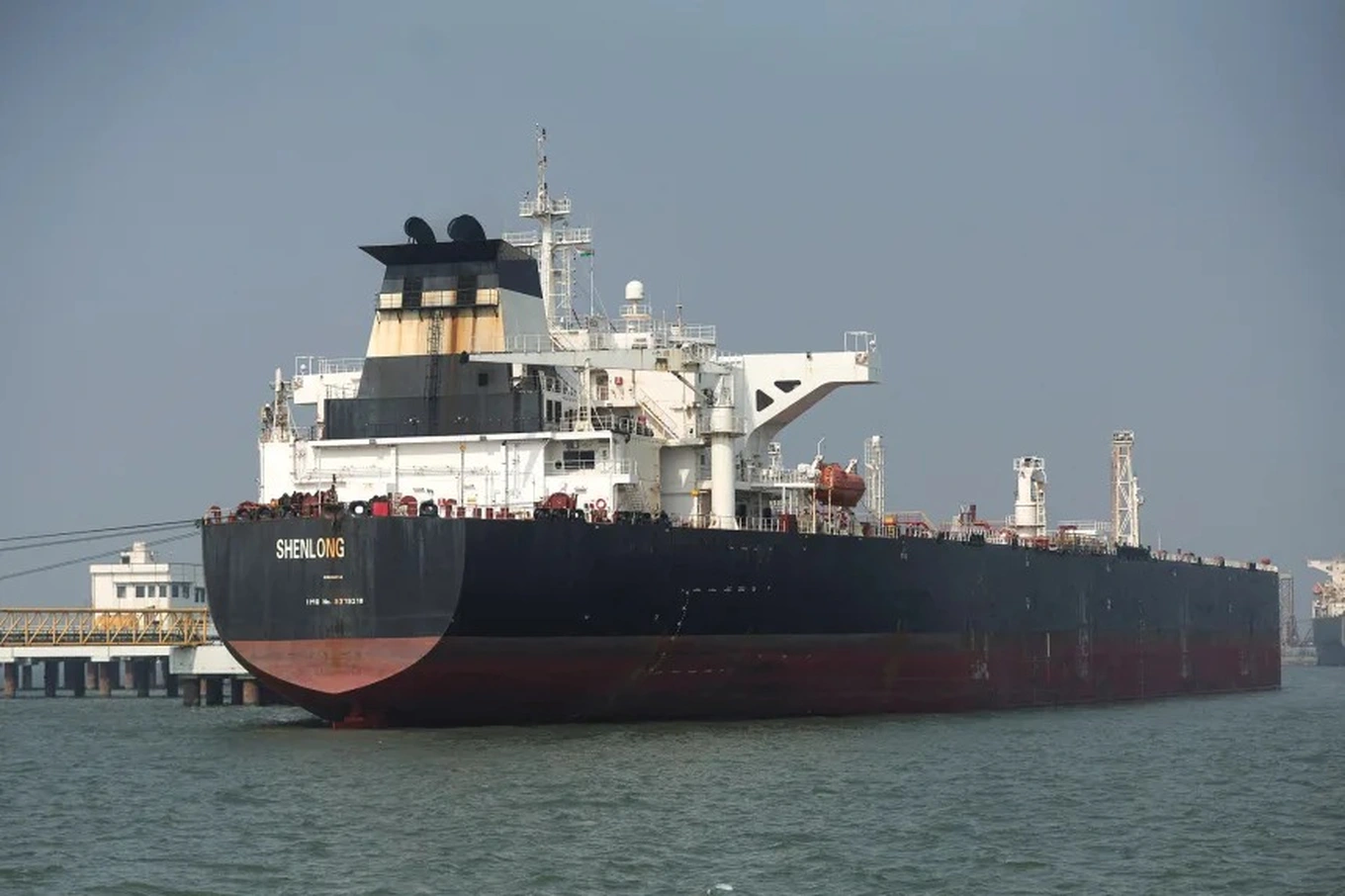
The official also stressed that the Strait of Hormuz would only be reopened to free navigation once armed conflicts in the region have ceased and all conditions set by Tehran are fully met.

“The Strait of Hormuz will only be reopened when there is a complete ceasefire and unconditional compliance with Iran’s conditions,” the official added.
He further emphasized that “any ceasefire plan that does not meet Tehran’s demands will be unacceptable to Iran.”
Iranian Parliament Speaker Mohammad Bagher Ghalibaf acknowledged that the situation in the Strait of Hormuz “will not return to its pre-war state.”
Iran’s closure of this vital shipping route has had serious consequences for the global economy, causing oil and gas prices to surge.
U.S. President Donald Trump has called on allies in Europe and Asia, including South Korea and Japan, to deploy warships to escort vessels through the Strait of Hormuz. However, these countries have shown caution.
Iran’s Ambassador to Russia, Kazem Jalali, outlined three conditions for Iran to return to negotiations and end the conflict with the U.S. and Israel. First, “the conflict must end and never occur a third time.” Second, “all sanctions imposed on Iran must be lifted.” Third, “Iran must be compensated for all the damages it has suffered.”
Earlier, Iranian President Masoud Pezeshkian stated that any agreement to end the war must include compensation, security guarantees for Iran, and recognition of its legitimate rights.
“The only way to end this war is through recognition of Iran’s legitimate rights, payment of compensation, and strong international guarantees against future aggression,” Pezeshkian emphasized.
Iran has criticized current mediation proposals as insufficient, insisting on more concrete commitments from the U.S. and Israel.
Deputy Foreign Minister Kazem Gharibabadi said that several countries, including Russia, China, and France, have approached Iran regarding a ceasefire. He stressed that Tehran’s key condition is a guarantee that acts of aggression will not be repeated.
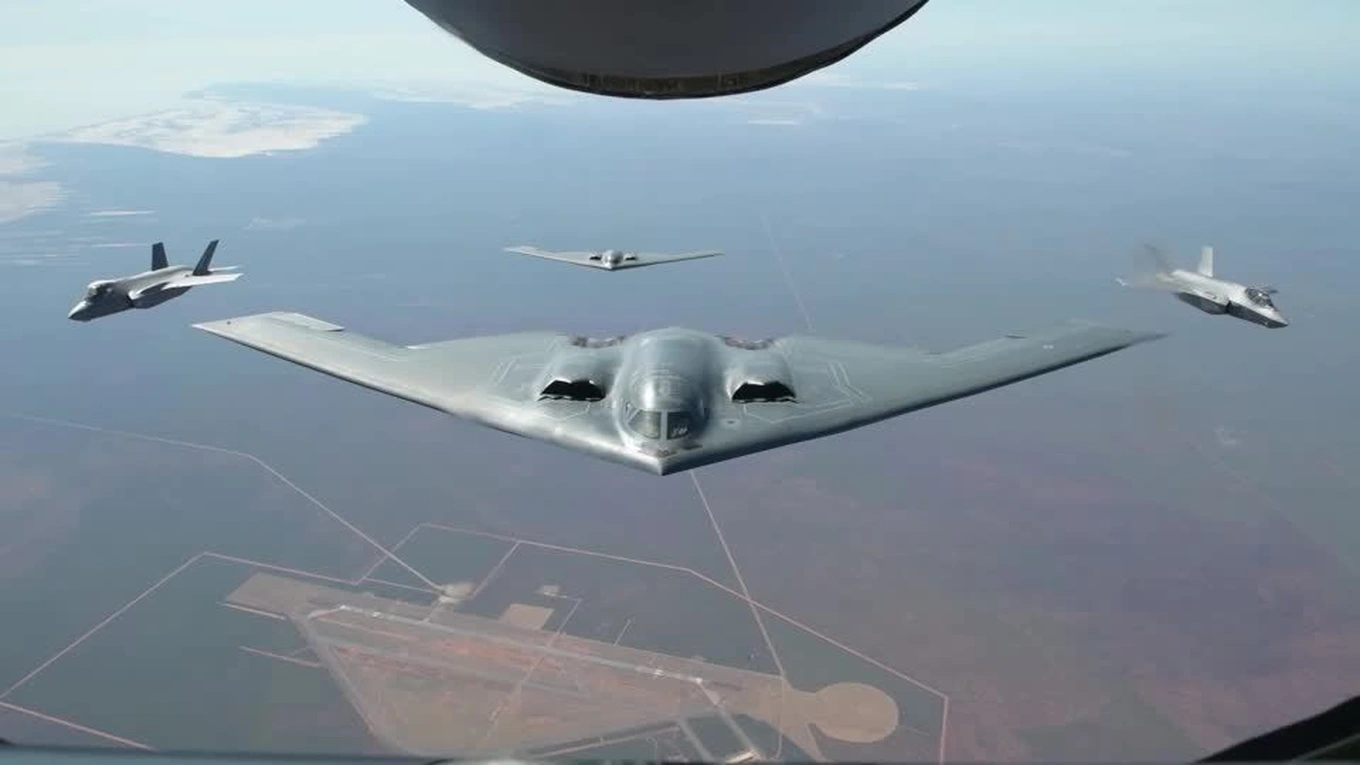
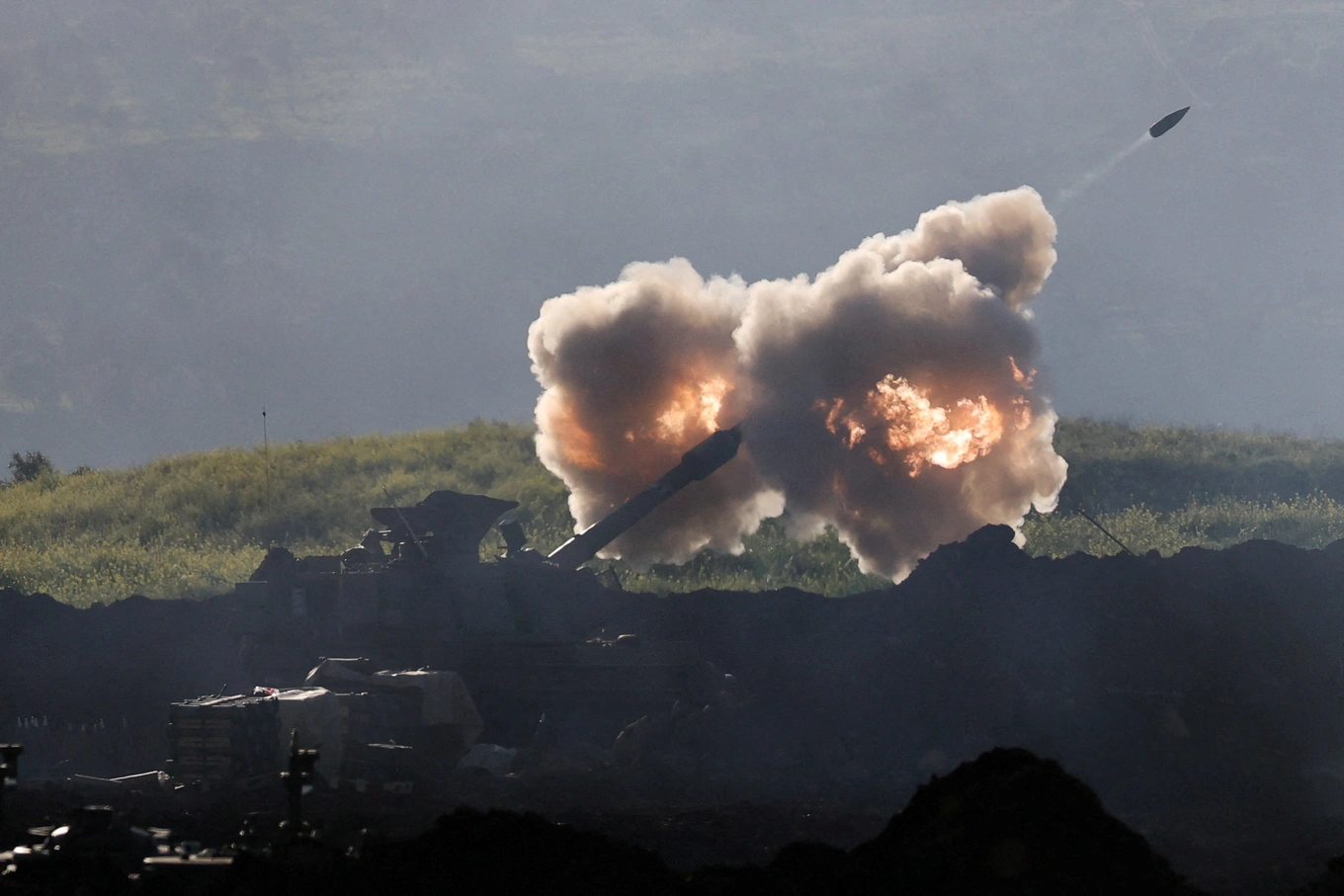
The United States and Israel launched an air campaign against Iran in late February, resulting in the deaths of Supreme Leader Ali Khamenei and several other senior figures.
The campaign also targeted military facilities, destroying hundreds of Iran’s missile launchers.
Iran retaliated by attacking U.S. interests across the Middle East, including diplomatic missions and military bases.
This latest campaign by the U.S. and Israel marks the second attack on Iran in less than 12 months. The first conflict lasted 12 days in June last year.