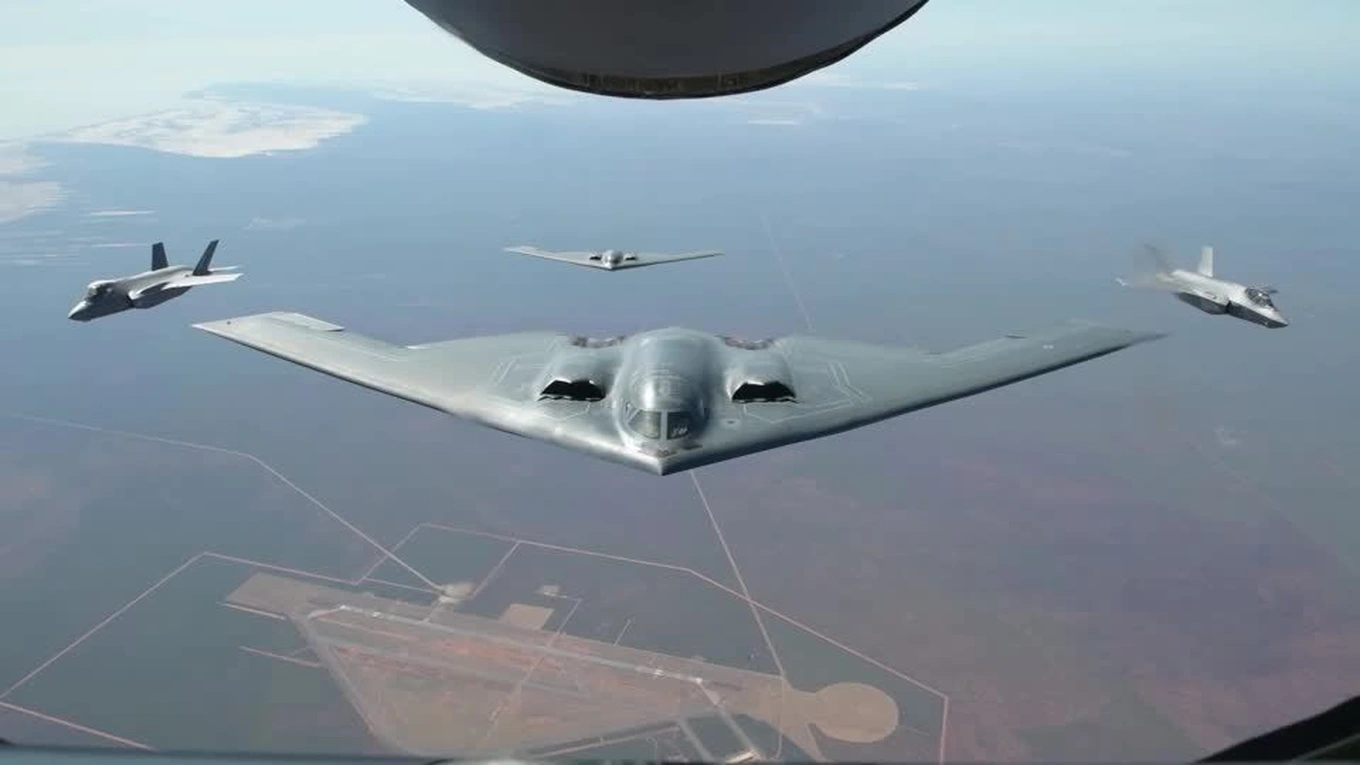
The Pentagon is reportedly pushing for an additional $200 billion to fund military operations in Iran, aiming to urgently boost production of critical weapons.
According to The Washington Post, citing a senior official in the administration of U.S. President Donald Trump on March 18, the Pentagon has “requested White House approval for a proposal exceeding $200 billion to be submitted to Congress” to finance the war in Iran.

This massive proposal is almost certain to face strong opposition from lawmakers who oppose the conflict.
The plan is intended to rapidly replenish key weapons that have been heavily depleted as U.S. and Israeli forces have struck thousands of targets over the past three weeks.
It remains unclear how much funding the White House will ultimately ask Congress to approve.
Some White House officials reportedly believe the Pentagon’s proposal has little realistic chance of passing Congress. Over the past two weeks, the Pentagon has put forward several alternative funding options.
The request is likely to trigger a major political showdown in Congress, as public support for the effort remains limited and Democrats have strongly criticized the war. Republicans have signaled support for a supplemental funding package but have yet to commit to a clear strategy or identify a path to securing the 60 votes needed in the Senate.
The U.S. Department of Defense declined to comment, while the White House did not immediately respond to requests for comment.
President Donald Trump had campaigned on ending U.S. military involvement overseas and has frequently criticized previous administrations for the scale of funding approved for the war in Ukraine. As of December, Congress had approved approximately $188 billion in spending for that conflict.
Sources say U.S. costs in the Iran war have risen rapidly, exceeding $11 billion in just the first week. Shortly after the U.S.–Israel campaign began late last month, the Trump administration started preparing a supplemental funding request to cover expenses—a process often necessary to ensure the military maintains readiness against global threats, even during wartime.
Inside the Pentagon, the effort is being led by Deputy Defense Secretary Steven Feinberg, who over the past year has focused on the U.S. defense industrial base and increasing production of precision weapons, which are being consumed at a rapid pace due to the conflict. His office has developed multiple funding packages aimed at quickly addressing ammunition shortages and strengthening defense manufacturing.
Even before the Iran conflict, Trump had called for a $1.5 trillion defense budget, representing an increase of more than 50% from the previous year. It remains unclear whether and how this supplemental request would be incorporated into that total. The White House Office of Management and Budget has reportedly opposed the figure in internal discussions, arguing that it is too large.
Experts say the upcoming debate over the Pentagon’s funding request will serve as a test of support for the war, with critics expected to use the proposal as an opportunity to push back against U.S. involvement.