Iran is not merely seeking a ceasefire but aims for a full end to the war “on all fronts” across the Middle East.
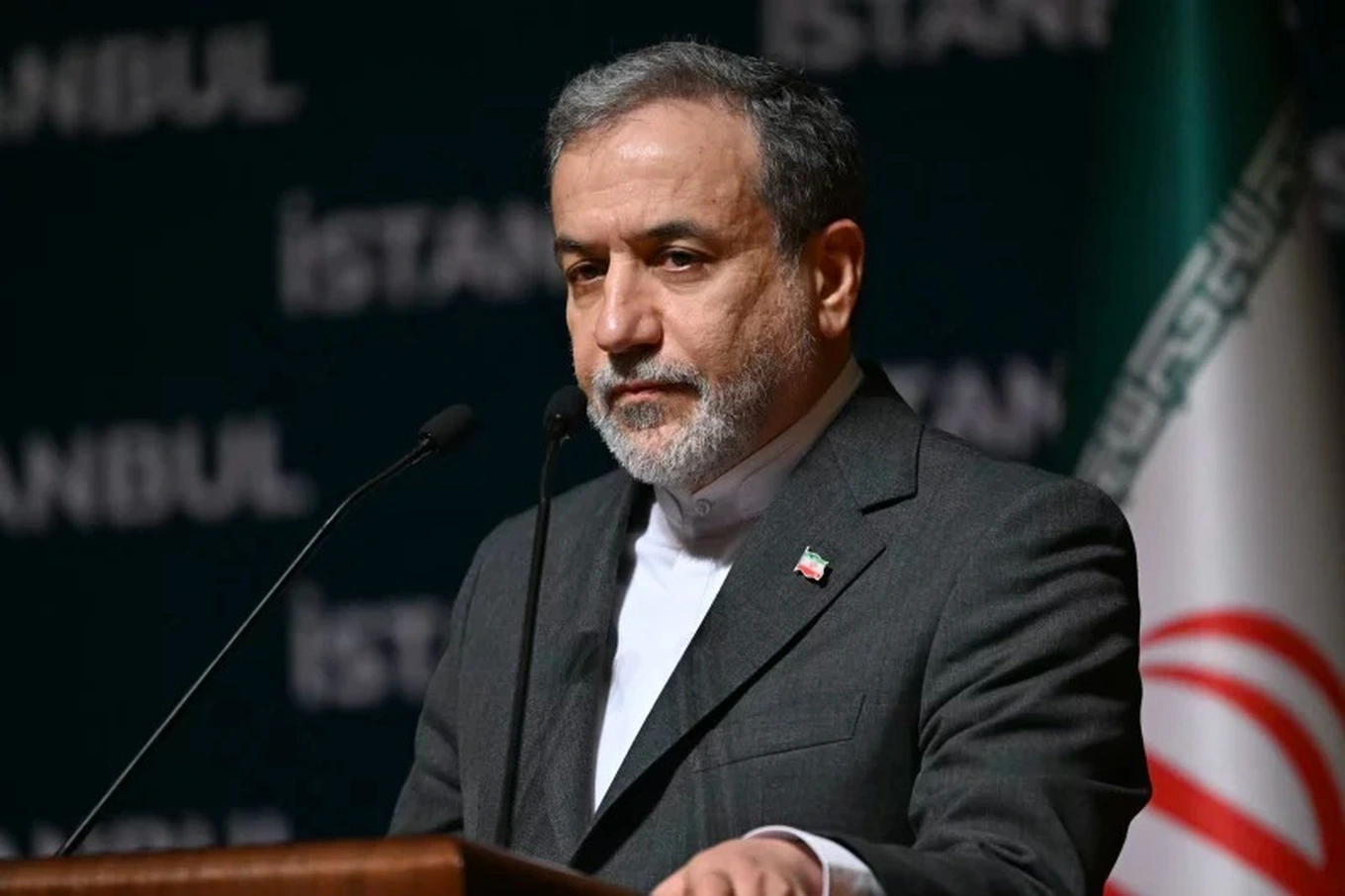
“We do not believe in a ceasefire. We believe in ending the war on all fronts… and witnessing peace across the entire region—in Lebanon, Yemen, Iraq, Iran, and other countries,” Iranian Foreign Minister Abbas Araghchi said in an interview with Al Jazeera on March 18.
Israeli attacks on Lebanon since March 2 have killed at least 900 people, as Israel expands its ground operations in the country. Iran has said it will not accept a similar situation, following repeated violations of the ceasefire between Israel and Hezbollah.
Araghchi stated that he does not want to see such a scenario repeated in Iran. Tehran has responded to attacks by the United States and Israel by targeting what it describes as U.S. assets in the region, as well as Israel itself.
Gulf countries have intercepted daily attacks since the U.S.–Israel–Iran conflict began on February 28. Iranian President Masoud Pezeshkian has publicly apologized to neighboring countries, but Iran’s attacks have continued as the United States and Israel maintain their airstrike campaigns.
The Islamic Revolutionary Guard Corps (IRGC) said yesterday that Iran had targeted all U.S. military bases in the Middle East in its latest wave of attacks.
“In the past few hours, a series of powerful strikes have been carried out by the armed forces as part of Phase 62 of Operation True Promise 4, targeting all U.S. bases in the region, as well as American staging areas and combat support centers,” the IRGC said.
The targets reportedly included U.S. bases such as Ali Al-Salem, Al-Udeiri, and Arifjan in Kuwait; Victoria Base in Iraq; Al-Udeid in Qatar; Al-Dhafra in the United Arab Emirates; and Al-Azraq in Jordan.
The IRGC also claimed it had targeted the U.S. Navy’s Fifth Fleet, which operates in the Persian Gulf, Red Sea, and Arabian Sea.
Additionally, the IRGC said it struck Israeli cities including Tel Aviv, Beersheba, Haifa, and Acre.
Responding to criticism from Gulf nations, Araghchi said such outcomes were never Iran’s intention.
“We understand their anger… We did not target civilian sites in neighboring countries,” he said, describing the damage as “unintended consequences.”
He added that Iran’s strikes are not limited to U.S. bases, but also target locations with “concentrations of U.S. personnel or facilities.” He noted that while some bases had been evacuated, troops had relocated to cities and hotels.
Araghchi also affirmed that Iran’s political system remains “resilient” despite the deaths of several senior officials in U.S. and Israeli airstrikes, emphasizing that the system does not depend on any single individual.
“Of course, each individual has their own level of influence and role, but what matters is that Iran’s political system is a very solid structure. We have never had anyone more important than the Supreme Leader, and even if he were to fall, the system would continue to function and a replacement would immediately be appointed. The same applies if any other individual is lost,” he said.