The United States has spent an estimated $12 billion on air operations against Iran since February 28, amid growing concerns about the war’s potential impact on the U.S. and global economies.
Kevin Hassett, Director of the National Economic Council, said in an interview with CBS on March 15 that the figure reflects the amount spent so far during the first two weeks of the conflict.
“$12 billion is the number I’ve been told has been spent so far,” Hassett said.
He added that the administration of Donald Trump may need to ask the U.S. Congress to approve additional funding, although he noted that current weapons stockpiles remain sufficient to sustain ongoing military operations.
Meanwhile, Pete Hegseth warned that bombing campaigns against Iran are “about to increase dramatically,” suggesting the overall cost of the conflict could rise significantly.

Regarding the timeline, Hassett said officials at the United States Department of Defense estimate that the air campaign against Iran could last four to six weeks, adding that the operation is currently ahead of schedule.
Speaking to the media over the weekend, Chris Wright said the war with Iran would “certainly end within the next few weeks.”
Hassett dismissed claims that the conflict poses a serious economic threat to the United States. According to him, financial markets pricing energy futures appear to be anticipating a swift resolution and a sharp drop in energy prices—contrary to concerns among American consumers about rising fuel prices at gas stations.
He also said the U.S. government is expanding licenses for operations in Venezuela and securing new fertilizer supplies from Morocco and Venezuela to protect American farmers.
Regarding shortages of jet fuel caused by disruptions to supply from Asia, Hassett said the administration is working to allow more foreign vessels to transport fuel from the Gulf of Mexico to the U.S. West Coast.
He also rejected Iranian warnings about potential damage to the U.S. economy, noting that America’s position as a major oil producer makes it far more resilient than during the energy crisis of the 1970s.
“The U.S. economy will not be harmed by what the Iranians are doing. We have a lot, a lot of oil,” he emphasized.
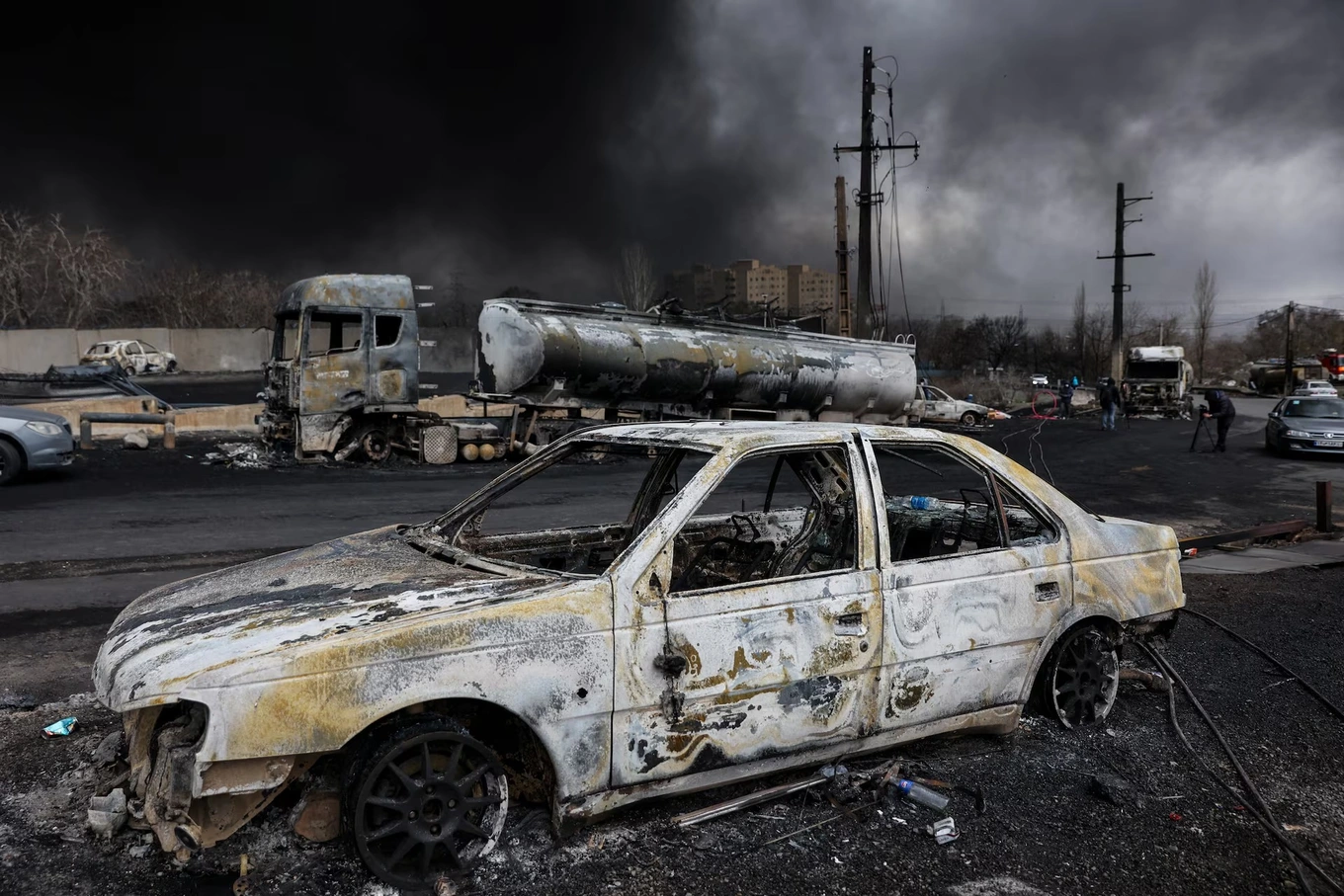
The United States and Israel launched a coordinated air campaign against Iran on February 28.
The conflict has reportedly killed more than 1,300 people in Iran, including Supreme Leader Ali Khamenei and several other senior officials.
On the U.S. side, 14 American soldiers have been killed since the campaign began.
So far, Washington’s true objective in the military campaign against Iran remains unclear. Statements from the Trump administration about the war’s goals have shifted—from initially destroying Iran’s nuclear program, to weakening its missile capabilities, and more recently to threatening Iranian oil infrastructure linked to shipping through the Strait of Hormuz.
While President Trump has called on several countries to join a military coalition to escort commercial vessels through the Strait of Hormuz, some nations have expressed hesitation. Others appear to be quietly negotiating directly with Tehran to ensure safe passage through the strategic waterway.