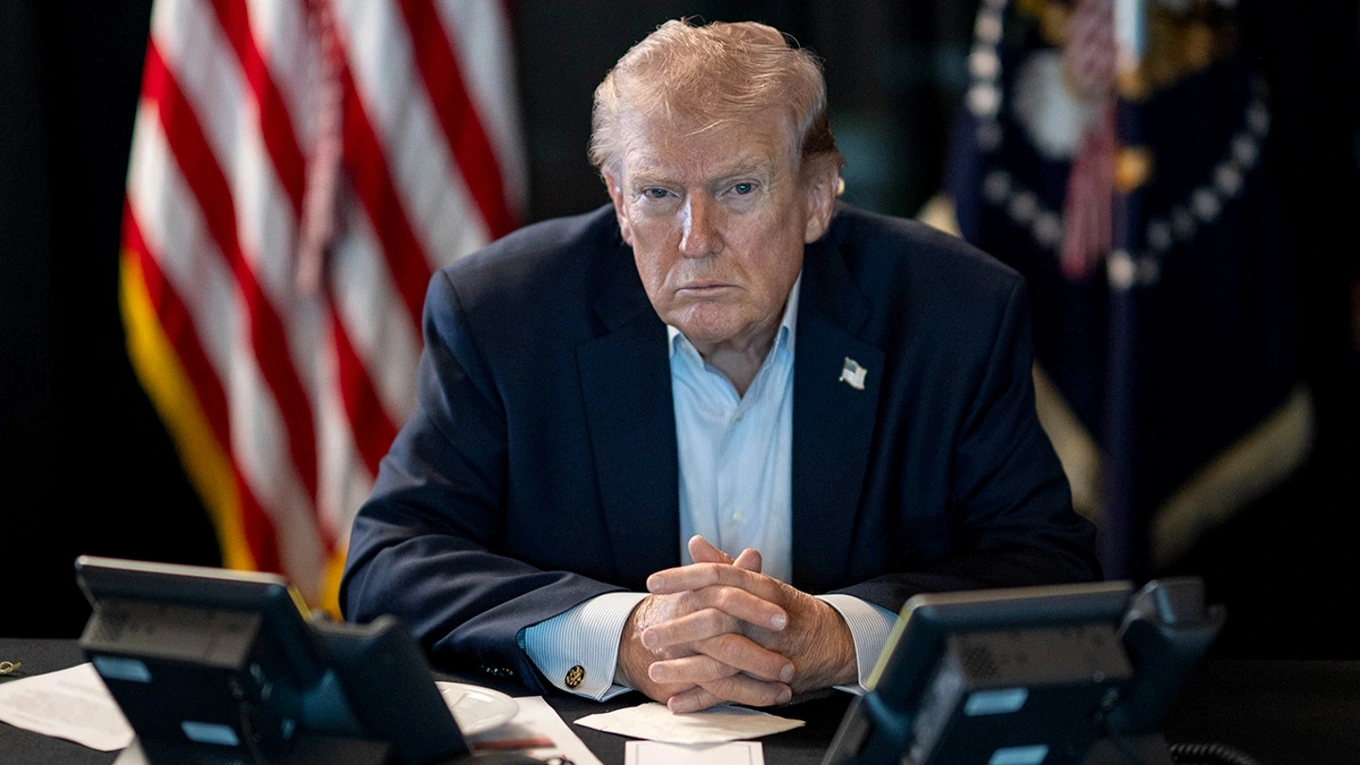
U.S. President Donald Trump has suggested he may be open to negotiations with Iran, a notable shift from his earlier stance that Tehran should only accept “unconditional surrender.”
Speaking to Fox News in an interview on the evening of March 9, Trump said talks with Iran could be possible, depending on the conditions.
“Maybe (we’ll negotiate), depending on the circumstances—maybe,” Trump said when asked about the prospect of dialogue with Tehran. “To be honest, we don’t necessarily have to negotiate anymore if you think about it, but it could still happen.”

The remarks mark a change in tone from Trump, who had previously ruled out negotiations and insisted that Iran should only accept unconditional surrender.
For its part, Iran has repeatedly rejected U.S. demands and vowed to continue fighting.
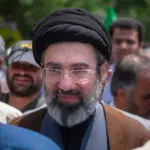
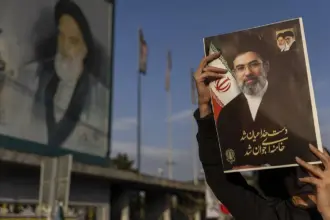
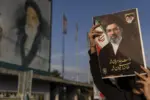
Trump also reiterated his criticism of Iran’s new Supreme Leader, Mojtaba Khamenei, saying: “I don’t believe he can live in peace.”
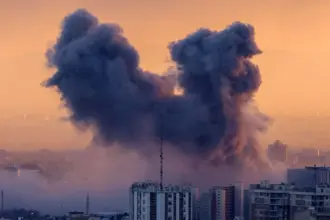
The U.S. president repeated comments he had made earlier at a press conference on March 9, emphasizing that the results of Washington’s military campaign against Iran had “far exceeded expectations.”
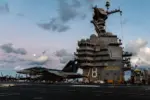
According to United States Central Command (CENTCOM), more than 5,000 targets have been struck by U.S. forces since the campaign began on February 28.
“When we hit them first, we destroyed 50% of their missiles, and if we hadn’t done that, this war would have been much harder,” Trump said.
He also said the element of surprise had played a crucial role in the operation.
“Morning attacks are very unusual, and they were misled into thinking we wouldn’t strike at that time. They had just held a meeting. It was very, very surprising. They were all gathered together and the location was obvious,” he said, referring to an airstrike targeting key Iranian leaders.
Trump added that he was particularly surprised by Iran’s missile and drone strikes against Gulf countries.
“One of the things that surprised me the most was when Iran attacked countries that had not attacked them,” he said.
Iran, however, has insisted it was targeting U.S. assets in the region, not the Gulf states themselves, and said it had no intention of attacking Muslim countries in the area.
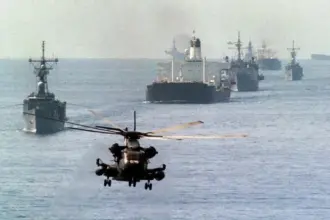
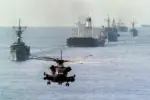
In a separate exchange with reporters, Trump stressed that he wanted to keep the Strait of Hormuz open after Iran moved to block the strategic waterway. He said it would be “an honor” to help ensure the passage remains open, given how heavily many countries depend on the Middle East shipping route.
Trump also said the United States would lift oil-related sanctions for several countries in an effort to lower global energy prices amid the escalating Middle East conflict.
In another development, U.S. Defense Secretary Pete Hegseth said on March 10 that Russia “should not get involved” in the conflict with Iran.
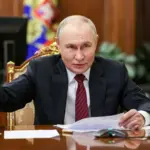
Hegseth made the remark after Trump held a phone call with Russian President Vladimir Putin on March 9.
“As I’ve said before, the president maintains strong relationships with world leaders, which creates opportunities and options for us in very flexible ways. The president said it was a good call,” Hegseth said.
“I was not part of the call, but those who were said it was a strong exchange, reaffirming hope for a potential path toward peace in the Russia–Ukraine issue, while also emphasizing that Russia should not become involved in this conflict,” he added.