Iran has issued a series of tough warnings while carrying out intensified strikes, amid strong threats from the United States and Israel.
Iranian Foreign Minister Abbas Araghchi stated that the country is fully prepared to respond to any plans by the United States. According to the diplomat, the U.S. military campaign has pushed global energy and commodity prices to unbearable levels.
He suggested that Washington may be considering surprising Iran by launching attacks on the country’s energy production facilities. Such a move, he argued, could be an attempt by the U.S. to contain the growing economic shocks caused by the conflict and its impact on energy prices.
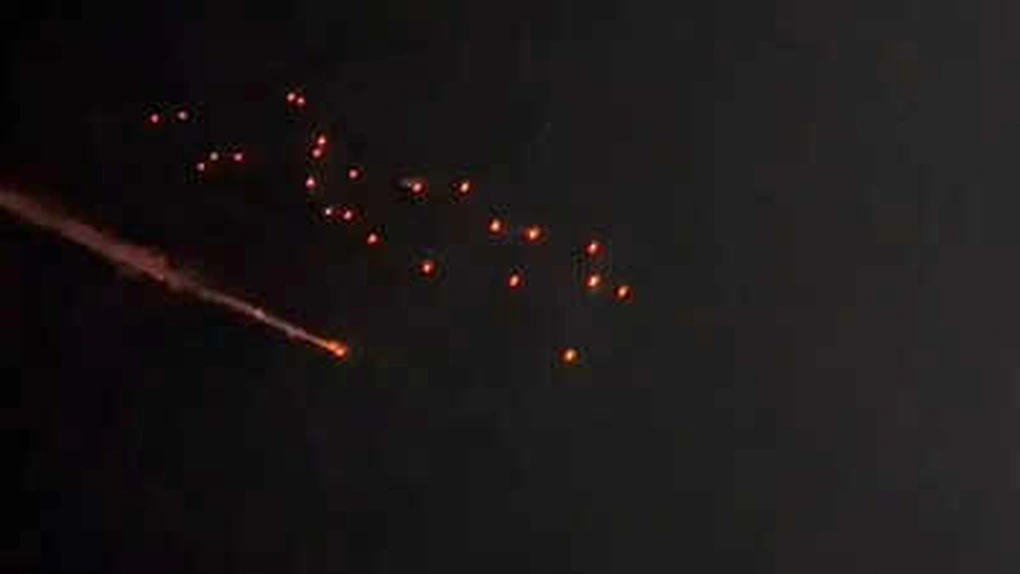
Iran Launches a Barrage of Attacks, Warns of More Surprises for the United States (Video: IRGC).
Araghchi declared that Iran is fully ready to retaliate and warned that “we also have many surprises in store for the United States.”
Iran’s response to the attacks by the U.S. and Israel has included operations targeting American military assets in oil-rich countries across the Persian Gulf region.
These actions have driven sharp increases in oil and natural gas prices, sending shockwaves through international markets.
The Iranian military also announced new UAV strikes targeting U.S. and Israeli positions in retaliation.
Tehran warned that energy prices could continue rising and even reach record highs if the United States and Israel decide to strike Iran’s energy production facilities, which would force Iran to retaliate against corresponding targets across the region.
Meanwhile, a senior official from the Iranian Islamic Revolutionary Guard Corps (IRGC) Navy said that Iran’s military strength and national determination have so far prevented further U.S. attacks, adding that the coming weeks of the conflict will be “decisive.”
Speaking in an interview with the Fars News Agency, Mohammad Akbarzadeh said there are “three key factors” that have enabled Iran to block U.S. plans.
He referred to the restriction of shipping through the Strait of Hormuz, saying the move has created an energy crisis and caused prices to surge, while “the global economy cannot withstand such pressure.”
Akbarzadeh also noted that the “powerful and precise” offensive capabilities of Iranian forces had caught their opponents by surprise. In addition, he emphasized that public support within Iran for the government is another crucial factor.
He further described the second week of the ongoing war as “the most critical phase.”
“If Iran can maintain the advantage it held last week—which is entirely possible—we should expect a new signal from the United States aimed at ending the conflict,” he said, adding that the opponent’s calculations had been thwarted.
Beginning in the third week, Akbarzadeh predicted that major world powers would engage in discussions with Iran to prevent the conflict from escalating into a wider regional war.
The United States and Israel launched an aerial offensive against Iran on February 28. Iran quickly retaliated by firing volleys of missiles and deploying UAV strikes against Israeli and U.S. targets across the region.