After launching retaliatory strikes against U.S. and Israeli military bases in the region, Iran has broadened its attacks to include oil tankers and warned it may target “economic and banking centers” linked to its adversaries.
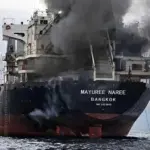
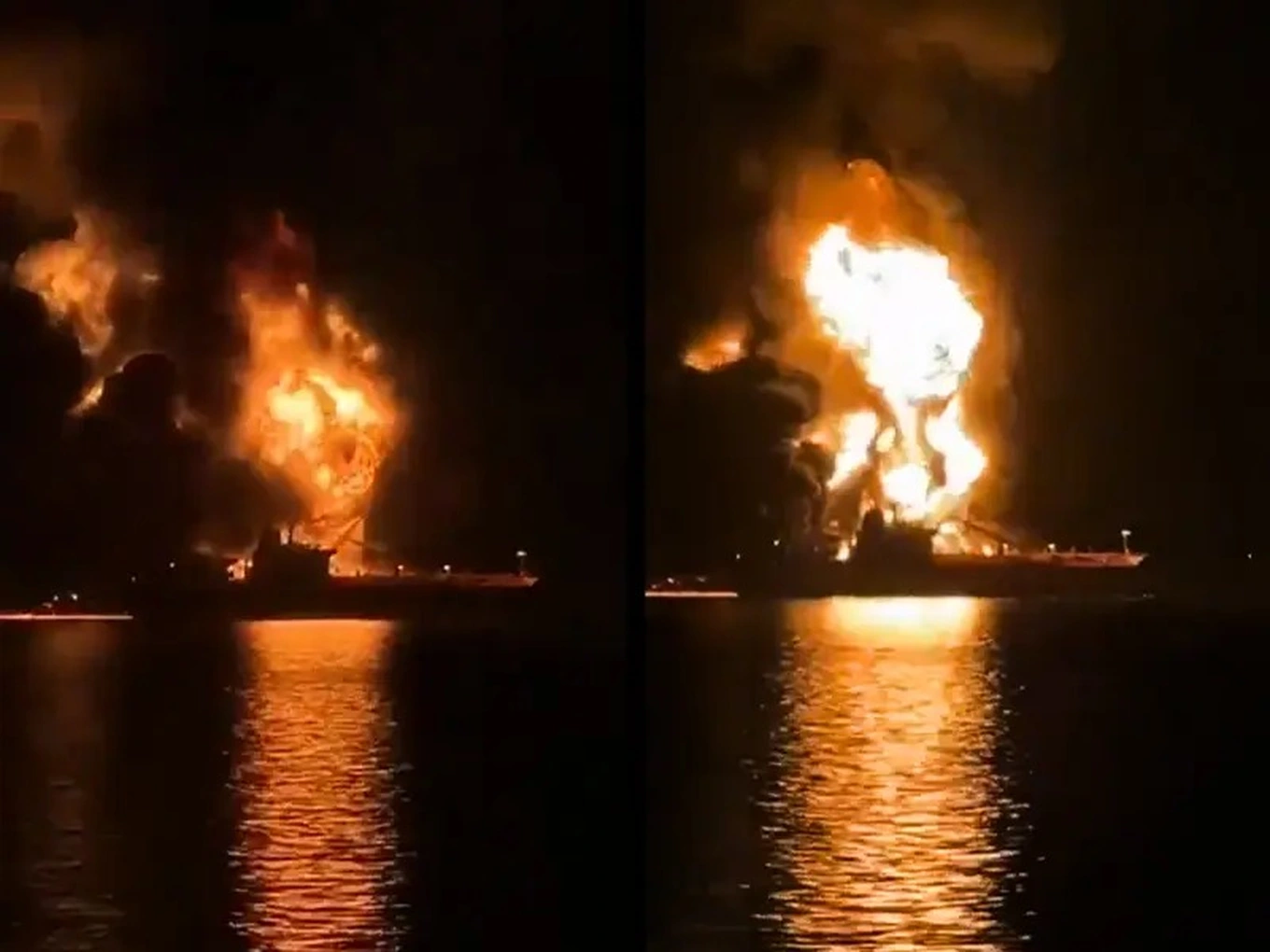
 Oil tanker burns in the Persian Gulf on March 11.
Tankers Burning, Ports Shut Down
While U.S. President Donald Trump has declared “victory” and said Washington’s air campaign against Iran is nearing its objectives, Tehran has escalated attacks on vessels in the Persian Gulf and warned that global oil prices could surge to $200 per barrel.
Two fuel tankers were reported ablaze in waters off Iraq after being struck by Iranian explosive-laden boats, forcing Iraqi oil ports to halt operations. In recent days, at least six vessels have been attacked near the Strait of Hormuz after Iran threatened to burn any ship attempting to pass through the strategic waterway without Tehran’s permission.
Meanwhile, Oman has reportedly moved all vessels away from its main oil export port to avoid potential risks.
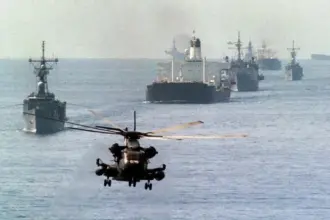
The conflict between the United States and Israel on one side and Iran on the other appears to have expanded to the maritime domain, threatening vital global energy shipping routes and rattling oil markets.
Despite a pledge by members of the International Energy Agency (IEA) to release 400 million barrels of oil from strategic reserves, global crude prices have continued to surge above $100 per barrel. The spike reflects growing investor fears of prolonged supply disruptions as the conflict intensifies.
Iraq’s Oil Ministry has expressed concern over attacks on oil tankers in the Gulf and called for the protection of maritime shipping lanes.
“The security and safety of navigation along international sea routes and energy supply corridors must be kept separate from regional conflicts and rivalries,” the ministry said.
“Economic and Banking Centers” in the Crosshairs
As tensions continue to rise around the Strait of Hormuz, Iran’s Islamic Revolutionary Guard Corps (IRGC) has threatened to strike “economic and banking centers” linked to U.S. and Israeli entities across the region.
The warning came after what Iran described as an attack on a bank branch in Tehran that reportedly killed several employees.
A spokesperson for Khatam al-Anbiya Central Headquarters, a military command linked to the IRGC, warned that civilians should avoid areas within a one-kilometer radius of banks.
“Americans should expect painful retaliation and a strong response from us,” the statement added.
Western banks have already begun closing branches across the Middle East.
Citibank said it would shut down all regional branches except one in the United Arab Emirates, citing the “evolving situation,” though it provided no further details. Reports citing an internal memo indicated that staff in Dubai had been instructed to leave offices and work from home until further notice.
Earlier, the British bank Standard Chartered had also begun evacuating staff from its offices in Dubai. Separate reports indicated that HSBC had closed branches in Qatar.
Meanwhile, the IRGC-linked news agency Tasnim News Agency published a list of offices and infrastructure operated by major U.S. technology companies that it claims have ties to Israel and use technology for military-related applications. The agency described them as “new targets for Iran.”
Companies named included Google, Microsoft, IBM, Oracle, data analytics firm Palantir Technologies, and chipmaker Nvidia. The listed facilities include offices and cloud-computing infrastructure located in several Israeli cities as well as in some Gulf countries.
These developments have fueled fears that the Middle East conflict could escalate further before the parties reach any agreement to halt hostilities.
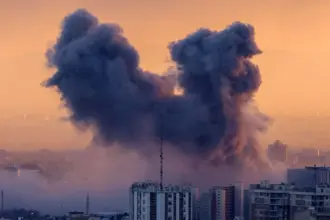
Inside Iran, U.S. and Israeli airstrikes continue to shake Tehran and other cities. Iranian officials say U.S. and Israeli forces have bombed nearly 10,000 sites and killed more than 1,300 people since the war began on February 28.