Iran says it has destroyed several advanced U.S. weapons systems while vowing to continue fighting in response to airstrikes from Washington and its ally Israel.
Iranian forces have successfully neutralized 11 U.S. MQ-9 Reaper drones during defensive operations, causing an estimated $330 million in losses to the attacking side’s drone fleet, CBS News reported, citing U.S. officials.
Two additional Reaper drones were shot down in recent days, bringing the total number lost to 11 since the conflict with Iran began.
The MQ-9 Reaper is primarily designed for intelligence, surveillance, reconnaissance (ISR) missions and limited precision strikes in low-threat environments. However, Iran has employed multiple countermeasures to confront the aircraft.
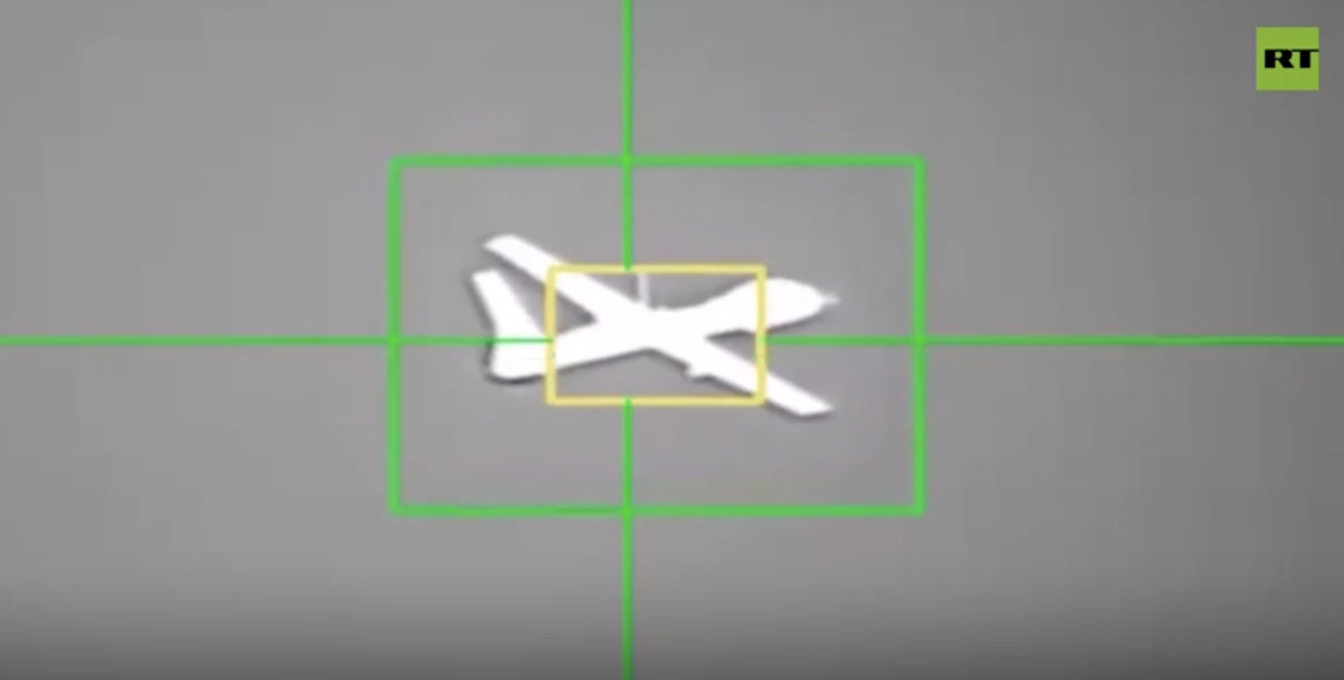
Iran Opens Fire, Shoots Down a $30 Million U.S. ‘Reaper’ Drone (Video: RT)
Nicknamed the “Reaper,” the drone can carry up to eight laser-guided missiles or 16 Hellfire missiles, along with nearly 600 kg of fuel. It has an operational range of about 2,000 km and can fly at altitudes of up to 15,000 meters.
With a maximum speed of around 480 km/h, the drone is significantly slower than conventional fighter jets, making it more vulnerable to interception by Iranian air defense systems when operating in contested airspace.
Iranian military officials also stated that they have destroyed 10 advanced U.S. radar systems in the Persian Gulf region, emphasizing that Tehran—not Washington—will determine when the current conflict ends.
The statement was made on March 10 by Brigadier General Ali Mohammad Naeini, spokesperson for the Islamic Revolutionary Guard Corps (IRGC), ten days after the U.S.–Israel military coalition launched airstrikes against Tehran.
According to Naeini, U.S. ammunition stockpiles are “running low,” and Washington is looking for a way to “exit the war.” The United States, however, has maintained that it remains in control of the situation and has warned it could intensify strikes against Iran several times over.
Naeini said U.S. military infrastructure in the Persian Gulf has suffered heavy damage, adding that nearly 10 advanced radar systems and numerous high-cost drones in the region have been destroyed by Iranian air defenses.
Earlier, Iran’s armed forces also claimed to have destroyed four advanced U.S. radar systems belonging to the THAAD missile defense network in retaliatory attacks targeting American missile-defense infrastructure in the region.
“The fate of the region and its future now lies in the hands of Iran’s armed forces,” the IRGC spokesperson said, stressing that U.S. forces will not decide when the war ends.
The Iranian official also rejected claims by Donald Trump that Iran’s missile launches had significantly decreased. He asserted that Iran is conducting heavier strikes than in the early days of the conflict, targeting U.S. and Israeli bases with warheads weighing more than one ton.
Iran’s retaliatory strikes began on February 28, just hours after the United States and Israel launched an air campaign against Iran, an attack that reportedly killed Supreme Leader Ali Khamenei along with several senior military commanders.
Since then, Iran has launched waves of missiles and drones against targets across the Middle East in 33 successive retaliatory strikes.