U.S. President Donald Trump has urged Israel to refrain from further attacks on Iran’s energy infrastructure amid a sharp surge in global oil and gas prices. Israeli Prime Minister Benjamin Netanyahu is reportedly complying with the request.
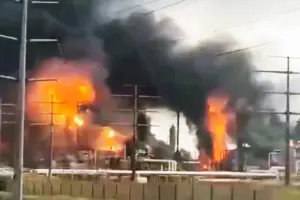
The Middle East conflict, now in its 20th day and claiming thousands of lives, has spread to neighboring countries and is increasingly impacting the global economy. Tit-for-tat strikes on energy facilities have driven prices sharply higher.
“I told him (Prime Minister Netanyahu) not to do it, and he won’t do it again,” President Trump said at the White House on March 19 when asked whether he had discussed Israel’s attack on Iran’s gas fields.
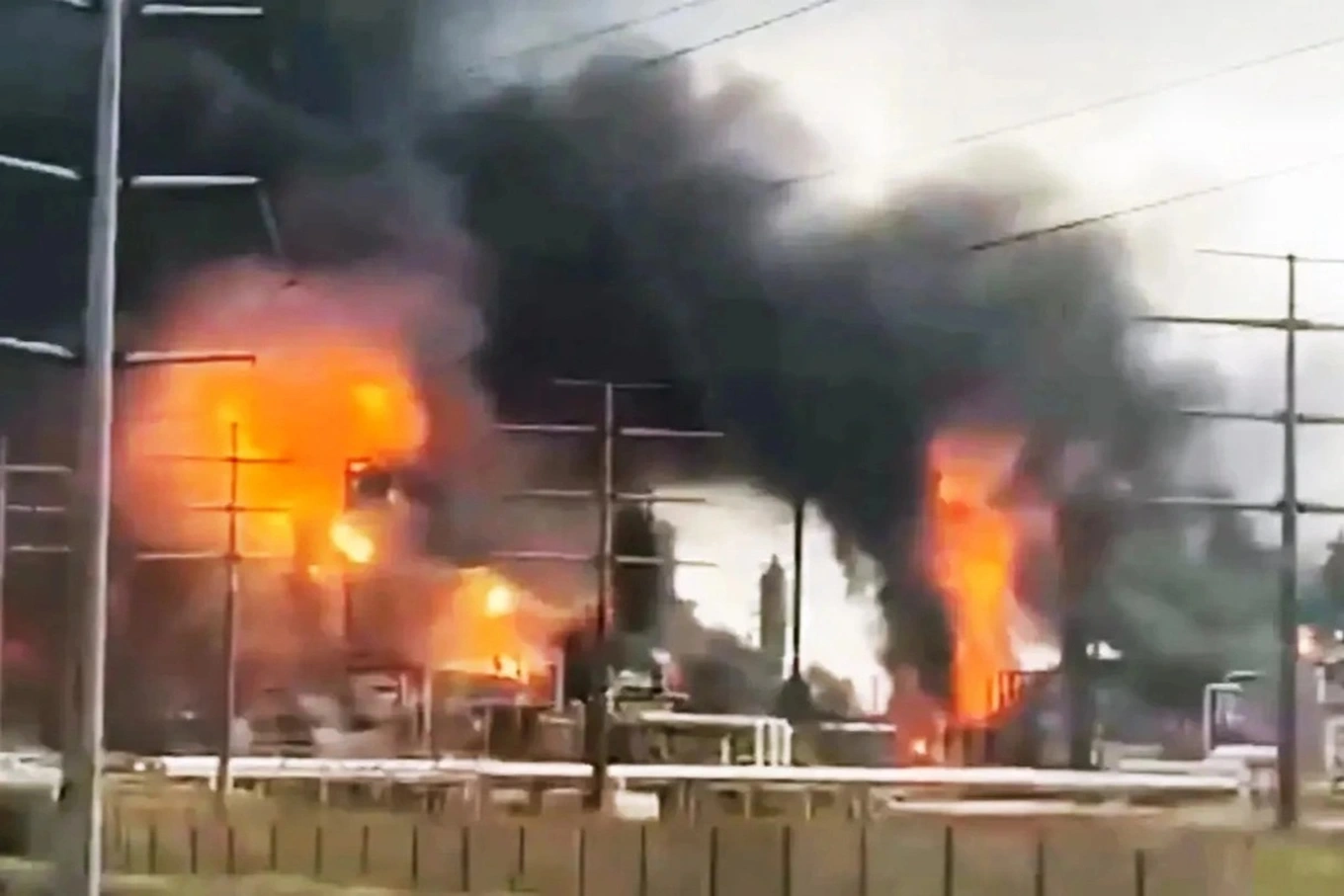
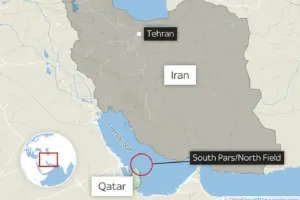
Trump’s remarks came as energy prices spiked following Iran’s retaliation for Israel’s strike on the massive South Pars gas field. Tehran targeted Qatar’s Ras Laffan industrial city—responsible for processing roughly 20% of the world’s liquefied natural gas—causing damage expected to take years to repair. Saudi Arabia’s main Red Sea port, used to reroute exports in case of a closure of the Strait of Hormuz, was also hit.
Trump later posted on social media that he had been “unaware” of Israel’s attack on South Pars, though U.S. sources indicated Washington had prior knowledge of the strike, despite not being directly involved.
Prime Minister Netanyahu subsequently stated that Israel had “acted independently” in the South Pars strike. “President Trump has asked us to suspend future attacks, and we are doing so,” he said.
The South Pars strike marked a significant escalation in the conflict, which began on February 28. While Israel had previously targeted fuel depots in Iran, it had avoided striking the country’s core oil and natural gas production facilities.
Iran’s retaliatory attacks have demonstrated its capacity to inflict serious damage on Israel and the United States, while also exposing the limitations of regional air defense systems in protecting critical energy assets across the Gulf.
Facing domestic political pressure as fuel prices rise, Trump has criticized allies for responding cautiously to his call to help secure the Strait of Hormuz, a vital route for about 20% of global oil shipments.
A U.S. official and sources familiar with the matter said Trump is considering deploying thousands of additional troops to the Middle East. However, he stated on March 19 that there are no plans for ground deployments. “I will not send troops anywhere,” he said.
Escalating Energy Crisis
With no end to the conflict in sight and the risk of a global “oil shock” increasing, countries including the United Kingdom, Canada, France, Germany, Italy, the Netherlands, and Japan issued a joint statement expressing their “readiness to contribute to appropriate efforts” to ensure safe passage through the Strait of Hormuz.
They also pledged to take “additional steps to stabilize energy markets,” including cooperation with producing countries to increase output.
However, there are few signs of immediate action. German Chancellor Friedrich Merz reiterated that any contribution to securing the Strait would only come after the conflict ends.
Allied reluctance to engage reflects broader skepticism about a conflict that European leaders say lacks “clear objectives” and is “difficult to control.”
Israel’s strike on the South Pars gas field—an action Trump said the U.S. was unaware of—has highlighted gaps in strategic coordination and war aims among the main parties involved.
U.S. Director of National Intelligence Tulsi Gabbard told the House Intelligence Committee that Washington and Tel Aviv are pursuing different objectives: “The Israeli government is focused on neutralizing Iran’s leadership, while President Trump has stated his goal is to dismantle Iran’s ballistic missile capabilities, missile production, and naval forces.”
Iran’s military said attacks on its energy infrastructure have ushered in “a new phase of the war,” in which Tehran will target energy facilities linked to the United States.
Iran has adopted a hardline stance, warning it will show no restraint if its energy infrastructure continues to be targeted.
“If attacks on Iran’s energy facilities occur again, subsequent strikes on U.S.-Israeli and allied energy infrastructure will not stop until they are completely destroyed,” Iranian military spokesperson Ebrahim Zolfaqari said.